-
Sustainable Fashion Practices: The Need for a More Eco-Friendly Industry
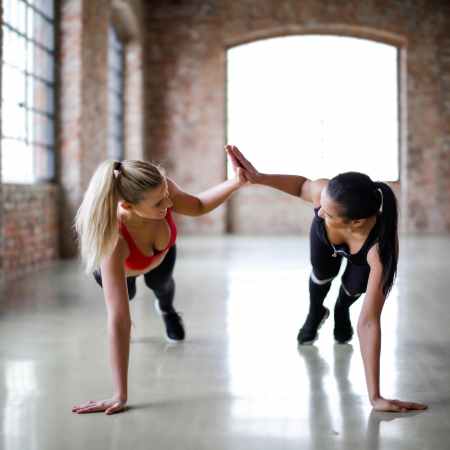
Fashion is one of the most dynamic and influential industries in the world, but its environmental impact is not always as glamorous. The production and disposal of clothing have significant consequences on the environment, including pollution, greenhouse gas emissions, and waste accumulation. As a result, there is a growing need for sustainable fashion practices that can reduce the industry’s ecological footprint while still allowing for creative expression and individual style.
Sustainable fashion practices refer to clothing production, consumption, and disposal methods that prioritize environmental, social, and economic sustainability. They seek to minimize the environmental impact of the fashion industry by reducing the amount of waste generated, using eco-friendly materials, and encouraging consumers to adopt more sustainable consumption habits. Here are some of the most effective sustainable fashion practices that can help reduce the environmental impact of the fashion industry.
- Use Sustainable Materials
One of the most critical sustainable fashion practices is the use of eco-friendly materials. Traditional materials such as cotton and polyester have a significant environmental impact due to the high levels of water, energy, and chemicals needed to produce them. To reduce the industry’s ecological footprint, sustainable fashion designers and brands are turning to more sustainable alternatives such as organic cotton, bamboo, hemp, and recycled fabrics. These materials require less water, energy, and chemicals to produce and have a lower carbon footprint.
- Embrace Zero Waste Design
Another sustainable fashion practice is zero-waste design, which involves creating garments without generating textile waste. This technique involves using the entire fabric in the garment design, including scraps and offcuts. By minimizing fabric waste, designers can reduce the amount of textile waste that ends up in landfills.
- Promote Ethical Production
Sustainable fashion practices also prioritize ethical production methods, including fair labor practices and transparency in the supply chain. By prioritizing ethical production, brands can ensure that workers receive fair wages and safe working conditions, and that the production process does not harm the environment.
- Encourage Circular Fashion
Circular fashion is a sustainable fashion practice that aims to extend the life of clothing and reduce waste by promoting reuse, repair, and recycling. Brands can encourage circular fashion by designing clothes that are durable and easy to repair, offering repair services to customers, and implementing recycling programs that allow customers to recycle their old clothing.
- Adopt Sustainable Consumption Habits
Consumers play a critical role in promoting sustainable fashion practices. They can adopt sustainable consumption habits by buying fewer clothes, choosing sustainable brands, and donating or recycling their old clothing. By reducing the demand for new clothing and promoting circular fashion, consumers can help reduce the environmental impact of the fashion industry.
In conclusion, sustainable fashion practices are essential for reducing the environmental impact of the fashion industry. By using sustainable materials, embracing zero waste design, promoting ethical production, encouraging circular fashion, and adopting sustainable consumption habits, the industry can move towards a more eco-friendly future. However, it is crucial to note that sustainable fashion practices require collaboration between designers, brands, consumers, and policymakers. By working together, we can create a more sustainable and equitable fashion industry that prioritizes environmental and social sustainability.
-
The History of Fashion Industry: From Handmade to Haute Couture
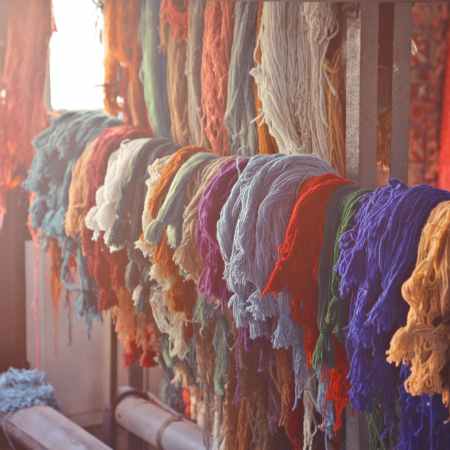
Fashion has always been an essential aspect of human civilization, reflecting the social, cultural, and economic changes of a particular era. The fashion industry has evolved from the early days of handmade garments to modern-day haute couture, driven by technological advancements, globalization, and changing consumer demands. In this article, we will take a journey through the history of fashion industry, exploring its significant milestones and evolution over the years.
The early days of fashion can be traced back to ancient civilizations such as Egypt, Greece, and Rome. Clothing was primarily made by hand, and the designs were symbolic of social status, gender, and profession. The industrial revolution in the 18th and 19th century marked a significant shift in the way clothing was produced. The mass production of clothing through machines led to the democratization of fashion, making it more accessible to the masses.
The early 20th century saw the rise of haute couture, a term that refers to high-end custom-made clothing designed by top fashion houses. Haute couture was exclusive and expensive, catering to the elite classes of society. The 1920s marked the beginning of the modern fashion industry, with the emergence of fashion magazines and the advent of the ready-to-wear clothing market. The 1920s also saw a significant change in women’s fashion, with the introduction of shorter hemlines, looser silhouettes, and the famous flapper style.
The fashion industry witnessed a major disruption during World War II, with clothing rationing and limited resources. The post-war era marked a period of economic growth, which led to the emergence of the high street fashion industry, catering to the middle-class consumers. The 1950s was a significant era for fashion, with the introduction of Christian Dior’s “New Look” collection, featuring full skirts, narrow waists, and accentuated busts. The 1960s was marked by the rise of youth culture and rebellion, with the introduction of mini-skirts, bell bottoms, and psychedelic prints.
The 1970s was an era of self-expression, with fashion reflecting the political and cultural changes of the time. The disco era brought in bold colors, metallic fabrics, and platform shoes. The 1980s marked the beginning of the designer era, with luxury brands such as Chanel, Gucci, and Prada dominating the market. The 1990s saw the rise of grunge fashion, characterized by ripped jeans, oversized flannel shirts, and combat boots.
The turn of the century witnessed the globalization of the fashion industry, with designers showcasing their collections in international fashion weeks. The 2000s saw a revival of vintage fashion, with designers drawing inspiration from the past and reinventing classic styles. The 2010s was a significant era for sustainability in fashion, with eco-friendly and ethical fashion becoming increasingly popular.
Today, the fashion industry is a multi-billion dollar industry, driven by consumer demands and technological advancements. The rise of social media has transformed the way we consume fashion, with influencers and bloggers playing a crucial role in shaping trends. The industry is also facing several challenges, such as sustainability, diversity, and ethical concerns. Several designers and brands are taking a conscious approach towards fashion, adopting sustainable practices and promoting diversity and inclusivity.
In conclusion, the history of the fashion industry is a reflection of the ever-changing human society. From handmade garments to high-end designer collections, the industry has come a long way, adapting to technological advancements and changing consumer demands. While the industry has faced several challenges, it has also been a catalyst for creativity, innovation, and self-expression. As the industry continues to evolve, it is crucial to adopt a sustainable and conscious approach towards fashion, promoting diversity and inclus ivity, and ensuring ethical practices. By doing so, we can create a fashion industry that not only reflects the society we live in but also contributes positively to it.
The fashion industry is not just about trends and style; it is an industry that encompasses a wide range of professions, including designers, manufacturers, retailers, marketers, and more. The industry has provided employment opportunities for millions of people worldwide and has contributed significantly to the global economy.
The fashion industry is also an industry that has the power to create social change. In recent years, there has been a growing movement towards sustainable fashion, where brands are adopting eco-friendly and ethical practices. This movement has led to a greater awareness of the impact of fashion on the environment and society and has encouraged consumers to make more conscious fashion choices.
The fashion industry has also played a crucial role in promoting diversity and inclusivity. In the past, the industry was criticized for promoting unrealistic beauty standards and not being inclusive of all body types, skin colors, and cultures. However, in recent years, there has been a significant shift towards inclusivity, with brands featuring models of different races, body sizes, and genders. This has not only made fashion more representative of society but has also helped to promote body positivity and self-confidence.
In conclusion, the history of the fashion industry has been a journey of innovation, creativity, and self-expression. The industry has adapted to changing times, reflecting the society we live in and shaping it in turn. While the industry has faced several challenges, it has also been a catalyst for positive change, providing employment opportunities, promoting sustainability, diversity, and inclusivity, and contributing to the global economy. As the industry continues to evolve, it is crucial to adopt a conscious approach towards fashion, promoting ethical practices, and ensuring that fashion remains a force for good in the world.
-
7 Budget-Friendly Fashion Tips to Look Stylish without Breaking the Bank

Who doesn’t want to look fashionable and trendy without spending a fortune? Fashion can be expensive, but it doesn’t have to be. With the right tips and tricks, you can create stylish looks that won’t break the bank. Here are 7 budget-friendly fashion tips that will help you look your best without spending a lot of money.
- Shop Secondhand
One of the best ways to save money on fashion is by shopping secondhand. Thrift stores, consignment shops, and online marketplaces like eBay and Poshmark are great places to find high-quality, gently-used clothing at a fraction of the retail price. Not only is secondhand shopping budget-friendly, but it’s also environmentally sustainable.
- Invest in Versatile Pieces
When shopping on a budget, it’s important to invest in versatile pieces that can be worn in multiple ways. For example, a little black dress can be dressed up with heels and jewelry for a fancy occasion, or dressed down with sneakers and a denim jacket for a more casual look. Invest in classic, timeless pieces that you can wear for years to come, rather than trendy items that may go out of style quickly.
- Accessorize Smartly
Accessories can completely change the look of an outfit, and they don’t have to be expensive. Invest in a few key pieces like a statement necklace, a colorful scarf, or a classic watch that you can mix and match with different outfits. Accessories are an easy way to add interest and personality to your outfits without spending a lot of money.
- DIY and Upcycle
If you’re crafty, DIY and upcycling can be a fun and budget-friendly way to update your wardrobe. Take an old t-shirt and turn it into a trendy crop top, or add studs to a plain denim jacket for a rockstar look. Not only will you save money by DIYing your clothes, but you’ll also have unique, one-of-a-kind pieces that no one else has.
- Buy Off-Season
Buying clothes off-season is a great way to save money. Retailers often discount their out-of-season merchandise to make room for new inventory. For example, you can find great deals on winter coats in the spring, or summer dresses in the fall. While you won’t be able to wear these items right away, you’ll have them ready for next season when the time comes.
- Host Clothing Swaps
Hosting a clothing swap with your friends is a fun and budget-friendly way to update your wardrobe. Everyone brings their gently-used clothes to the party, and you can all swap items with each other. Not only will you save money by getting new clothes for free, but you’ll also get rid of items you no longer wear and make room in your closet.
- Take Care of Your Clothes
Finally, taking care of your clothes is essential if you want them to last. Follow the care instructions on the label, and store your clothes properly to prevent damage. When clothes are well-maintained, they’ll last longer and you won’t have to replace them as often.
In conclusion, looking stylish doesn’t have to mean spending a lot of money. By shopping secondhand, investing in versatile pieces, accessorizing smartly, DIYing and upcycling, buying off-season, hosting clothing swaps, and taking care of your clothes, you can create fashionable outfits on a budget. With a little creativity and some savvy shopping, you’ll be turning heads in no time.
-
Fashion Industry News: Trends, Challenges and Opportunities
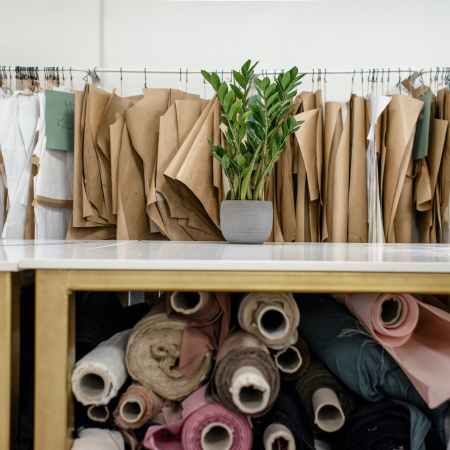
The fashion industry is constantly evolving, with new trends and challenges emerging every day. Keeping up with the latest developments in the industry is essential for anyone who wants to succeed in the competitive world of fashion. In this article, we will explore the latest fashion industry news, including trends, challenges and opportunities.
Trends
One of the biggest trends in the fashion industry today is sustainability. Consumers are becoming increasingly aware of the impact of their purchasing decisions on the environment, and are looking for fashion brands that are committed to sustainability. This trend is not just limited to eco-friendly materials, but also encompasses ethical and socially responsible practices, such as fair labor practices and animal welfare.
Another trend that is gaining popularity is inclusivity. The fashion industry has long been criticized for its lack of diversity, but many brands are now recognizing the importance of catering to a wider range of consumers. This includes offering more sizes, styles and colors that cater to a wider range of body types, skin tones and cultural backgrounds.
Challenges
One of the biggest challenges facing the fashion industry today is the rise of fast fashion. Fast fashion refers to the practice of producing low-cost, low-quality clothing at a rapid pace, often at the expense of workers and the environment. This has led to a number of negative consequences, including increased waste, exploitation of workers and environmental degradation.
Another challenge facing the fashion industry is the increasing competition from online retailers. The rise of e-commerce has disrupted the traditional brick-and-mortar retail model, and many fashion brands are struggling to adapt. With so many options available online, consumers are becoming more discerning in their purchasing decisions, and fashion brands must find new ways to stand out and differentiate themselves from the competition.
Opportunities
Despite these challenges, there are also many opportunities for fashion brands to thrive in the current market. One of the biggest opportunities is the rise of e-commerce. Online shopping has become increasingly popular in recent years, and fashion brands that are able to offer a seamless online shopping experience are likely to succeed.
Another opportunity is the growing demand for personalized products and experiences. Consumers are looking for products that are tailored to their individual tastes and preferences, and fashion brands that are able to offer personalized products and experiences are likely to see increased success. This could include everything from customized clothing to personalized styling services.
Conclusion
The fashion industry is a dynamic and ever-changing field, with new trends, challenges and opportunities emerging all the time. Keeping up with the latest fashion industry news is essential for anyone who wants to succeed in this competitive field. By staying abreast of the latest trends, brands can position themselves to meet the changing needs of consumers and stay ahead of the competition. While there are certainly challenges facing the industry, there are also many opportunities for those who are able to adapt and innovate. By focusing on sustainability, inclusivity, e-commerce and personalized experiences, fashion brands can position themselves for success in the years ahead.
-
Men’s Grooming Tips: Look and Feel Your Best
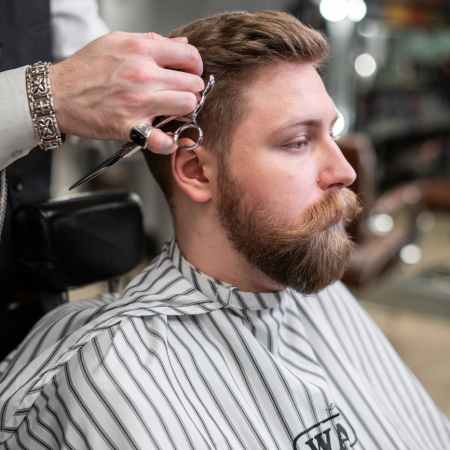
Gone are the days when personal grooming was considered a feminine pursuit. Today, men are just as concerned about their appearance as women, and for good reason. A well-groomed man is not only more attractive but also exudes confidence and self-assurance. If you want to look and feel your best, here are some essential men’s grooming tips to follow.
- Keep Your Hair Well-Styled
Your hair is one of the first things people notice about you, so it’s important to keep it well-styled. Whether you have short hair or long locks, make sure you keep it clean, trimmed, and well-maintained. If you have a beard or mustache, keep it neatly groomed as well. Invest in good quality hair care products that suit your hair type and style, and visit a professional stylist regularly for a trim and style update.
- Take Care of Your Skin
Healthy skin is a sign of good health, and it’s important to take care of it. Start with a good cleansing routine that includes a face wash, toner, and moisturizer. Exfoliate your skin once a week to remove dead skin cells and unclog pores. Use sunscreen to protect your skin from the harmful effects of the sun, and invest in a good quality aftershave to soothe and moisturize your skin after shaving.
- Keep Your Nails Clean and Trimmed
Your nails can say a lot about you, so make sure you keep them clean and trimmed. Use a nail clipper to trim your nails regularly, and use a nail brush to keep them clean. If you prefer to keep your nails long, make sure you keep them well-manicured and clean.
- Keep Your Teeth Clean and White
A bright, healthy smile can make a big difference in your appearance. Brush your teeth twice a day, floss regularly, and use mouthwash to keep your breath fresh. If you have discolored or stained teeth, consider investing in teeth whitening products or professional treatments to restore your smile.
- Stay Fresh All Day
Sweat and body odor can be a major turnoff, so make sure you stay fresh all day. Take a shower every day and use a good quality deodorant or antiperspirant to keep sweat and odor under control. Use talcum powder or body spray to stay fresh and dry throughout the day.
- Pay Attention to Your Clothing and Accessories
Your clothing and accessories can make a big difference in your appearance. Invest in high-quality, well-fitting clothes that suit your body type and style. Choose accessories that complement your outfit and add a touch of style, such as a watch, belt, or sunglasses.
- Practice Good Posture
Good posture not only makes you look taller and more confident but also has a positive impact on your overall health. Make sure you sit and stand up straight, with your shoulders back and your chin up. Avoid slouching or hunching over, which can lead to back pain and other health problems.
In conclusion, men’s grooming is an essential part of personal hygiene and can make a big difference in your appearance and self-confidence. By following these grooming tips, you can look and feel your best, and make a great impression on others. Remember, good grooming is not just about looking good; it’s about taking care of yourself and feeling good from the inside out. So, take the time to invest in your personal grooming routine, and enjoy the benefits of a well-groomed appearance.
-
Affordable Fashion for Women: Tips and Trends for Stylish and Budget-Friendly Outfits

Fashion is a great way to express yourself and show off your personality, but it can be expensive to keep up with the latest trends. Luckily, there are many affordable fashion options for women that can help you look great without breaking the bank. In this article, we will explore some tips and trends for affordable fashion for women.
- Shop for Sales and Discounts
One of the easiest ways to find affordable fashion is to shop for sales and discounts. Many stores offer discounts on seasonal items, clearance items, and end-of-season sales. Keep an eye out for coupons and promo codes that can save you even more money. Also, consider shopping at discount stores and thrift stores to find great deals on gently used clothing.
- Invest in Basics and Classics
While it’s fun to have trendy items in your wardrobe, investing in basics and classics can save you money in the long run. Basic items like a white t-shirt, black pants, and a denim jacket can be worn in many different ways and paired with trendy items to create a stylish outfit. Classic pieces like a little black dress, a trench coat, and a pair of nude pumps never go out of style and can be worn for years.
- Choose Versatile Pieces
When shopping for affordable fashion, look for versatile pieces that can be worn in different ways. A maxi dress can be dressed up with heels and jewelry for a formal event or dressed down with sandals and a denim jacket for a casual day out. A blazer can be worn with jeans for a casual look or with a dress for a more formal occasion. Choosing versatile pieces will give you more options and save you money in the long run.
- Accessorize to Elevate Your Outfit
Accessories can take an outfit from basic to stylish in seconds. Add a statement necklace or a bold scarf to a plain t-shirt and jeans to create a trendy look. A belt can cinch in a loose dress and create a more flattering silhouette. Don’t be afraid to experiment with different accessories to create a unique and stylish outfit.
- Follow Fashion Bloggers and Influencers
Following fashion bloggers and influencers on social media can give you inspiration for affordable fashion. Many bloggers and influencers share their favorite affordable fashion finds and how they style them. You can also get ideas for mixing and matching different pieces in your wardrobe to create stylish outfits.
- Mix High-End with Low-End
Mixing high-end items with low-end items can create a stylish and budget-friendly outfit. Invest in a high-end bag or shoes that you can wear with different outfits to elevate your look. Pair them with affordable clothing items to create a stylish outfit that won’t break the bank.
- Rent or Borrow Special Occasion Outfits
Special occasion outfits can be expensive and you may only wear them once. Instead of buying a new outfit every time you have a special event, consider renting or borrowing one. There are many online rental services that offer designer dresses and accessories for a fraction of the retail price. Borrowing from friends or family can also save you money and give you a chance to wear something new.
In conclusion, affordable fashion for women is achievable with the right strategies and tips. By shopping for sales and discounts, investing in basics and classics, choosing versatile pieces, accessorizing, following fashion bloggers and influencers, mixing high-end with low-end, and renting or borrowing special occasion outfits, you can create stylish outfits on a budget. Remember, fashion is about expressing yourself and feeling confident in what you wear, not about how much money you spend.
-
Casual Men’s Fashion: Tips and Trends for Effortlessly Stylish Looks
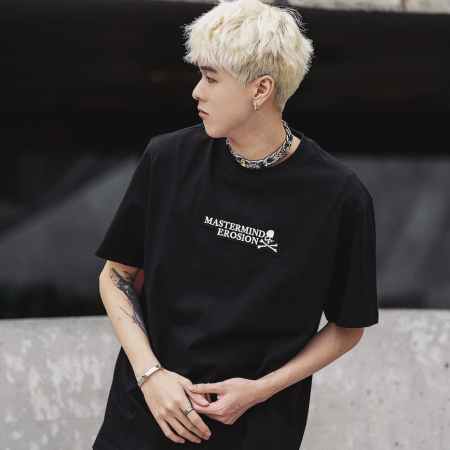
Casual fashion for men has come a long way in recent years, from simple t-shirts and jeans to a wide range of styles and trends that offer both comfort and style. While dressing casually may seem easy, it can be challenging to create a look that is both comfortable and stylish. In this article, we will discuss some tips and trends for men’s casual fashion, helping you effortlessly achieve a stylish and comfortable look.
- Start with the Basics The foundation of any great casual outfit is a well-fitting t-shirt or polo shirt, paired with comfortable jeans or khakis. Choose a neutral color palette, such as navy, gray, or black, and mix and match these basics with other items in your wardrobe.
- Invest in Quality Shoes Shoes can make or break an outfit, and this is especially true when it comes to casual wear. Invest in a few pairs of high-quality shoes, such as sneakers, loafers, and boat shoes, that will last for years and look great with a variety of outfits.
- Accessorize Wisely Accessories are an easy way to elevate a casual outfit, but it’s important to do so wisely. Stick to a few key pieces, such as a leather belt, a watch, or a pair of sunglasses, and avoid overdoing it with too many accessories.
- Mix and Match Textures Playing with textures is a great way to add visual interest to a casual outfit. Mix and match fabrics such as cotton, denim, and wool to create a look that is both stylish and comfortable.
- Embrace Patterns Don’t be afraid to incorporate patterns into your casual outfits, such as stripes, checks, and florals. However, it’s important to balance out patterns with neutral basics to avoid looking too busy.
- Layer with Purpose Layering is a great way to create depth and interest in a casual outfit, but it’s important to do so with purpose. Layer a lightweight jacket over a t-shirt, or a sweater over a collared shirt, to add dimension and texture to your look.
- Keep it Comfortable The key to effortless casual style is comfort. Choose fabrics that are breathable and comfortable, such as cotton and linen, and avoid anything that feels too restrictive or uncomfortable.
Now that we’ve covered some tips for casual men’s fashion, let’s take a look at some of the latest trends.
- Oversized Silhouettes Oversized silhouettes have been trending in men’s fashion for a while now, and this trend shows no signs of slowing down. From oversized t-shirts to roomy jackets and pants, this trend offers both comfort and style.
- Earth Tones Neutral earth tones, such as beige, olive green, and rust, are a popular trend in men’s fashion right now. These colors are easy to mix and match and provide a sophisticated and timeless look.
- Retro Styles Retro styles, such as 70s-inspired wide-leg pants and 80s-inspired sportswear, are making a comeback in men’s fashion. These nostalgic styles add a fun and playful element to casual outfits.
- Sustainable Fashion Sustainability is becoming increasingly important in the fashion industry, and this trend has carried over to casual men’s fashion as well. Many brands are now offering eco-friendly and sustainable options, such as clothing made from organic cotton or recycled materials.
- Statement Sneakers Sneakers are a staple in casual men’s fashion, and statement sneakers are a popular trend right now. Bold colors, unique designs, and chunky soles are all features of statement sneakers that can add a pop of personality to any outfit.
In conclusion, casual men ‘s fashion offers a wide range of styles and trends that can be both comfortable and stylish. By following some basic tips, such as starting with the basics, investing in quality shoes, and accessorizing wisely, you can effortlessly achieve a great casual look. Additionally, by staying on top of the latest trends, such as oversized silhouettes, earth tones, and sustainable fashion, you can add a fresh and modern touch to your wardrobe.
Remember, the most important aspect of casual fashion is comfort. Always choose clothing that feels good and allows you to move freely, while still looking stylish. With these tips and trends in mind, you can create a wardrobe that is both practical and fashionable, perfect for any casual occasion.
-
Street Style Fashion Trends: The Art of Effortlessly Chic Dressing
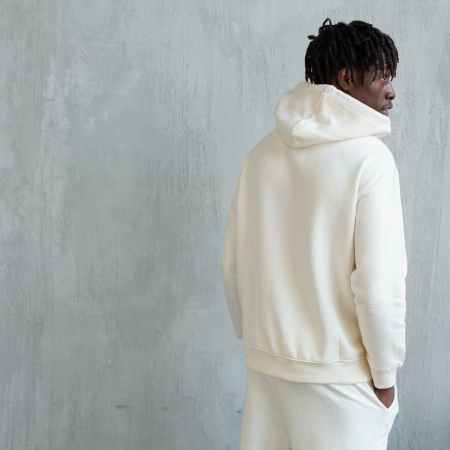
Street style fashion is all about expressing your unique personality and showcasing your personal style in a way that is both comfortable and chic. It’s about embracing fashion as an art form and using your wardrobe as a canvas to create a look that is uniquely you. Street style fashion is not just about what you wear, but how you wear it. It’s about blending high fashion with everyday wear to create a look that is both elevated and approachable.
The beauty of street style fashion is that there are no rules. It’s all about mixing and matching different textures, colors, and patterns to create a look that is unexpected and eye-catching. Some of the current street style fashion trends include oversized blazers, bike shorts, chunky sneakers, and statement accessories.
Oversized Blazers
One of the most popular street style fashion trends right now is the oversized blazer. This trend is all about taking a classic piece of menswear and making it your own. An oversized blazer can be dressed up or down and worn with just about anything. Pair it with a t-shirt and jeans for a casual look, or wear it over a dress for a more formal occasion. The key to pulling off this trend is to make sure the blazer is slightly oversized but not too big that it looks like you borrowed it from your dad.
Bike Shorts
Bike shorts have been making a comeback in recent years, and they are now a staple in street style fashion. This trend is all about pairing form-fitting shorts with an oversized t-shirt or sweater. It’s a look that is both comfortable and stylish, and it’s perfect for a day of running errands or hanging out with friends. To elevate the look, add a pair of chunky sneakers or ankle boots.
Chunky Sneakers
Speaking of sneakers, chunky sneakers are another street style fashion trend that has been gaining popularity in recent years. These shoes are all about making a statement and adding some edge to your look. They are the perfect way to add some height and give your outfit a little extra oomph. Chunky sneakers can be worn with just about anything, from a skirt to jeans, and they are perfect for running errands or a night out on the town.
Statement Accessories
Finally, no street style outfit is complete without some statement accessories. This trend is all about using accessories to add some personality to your outfit. Whether it’s a bold necklace, oversized sunglasses, or a statement bag, the right accessory can take your outfit to the next level. The key is to choose accessories that complement your outfit without overpowering it. So, if you’re wearing a bold pattern, opt for a more subtle accessory to balance things out.
In conclusion, street style fashion is all about expressing your personal style and creating a look that is uniquely you. It’s about using your wardrobe as a canvas to showcase your creativity and embrace fashion as an art form. Some of the current street style fashion trends include oversized blazers, bike shorts, chunky sneakers, and statement accessories. The key to pulling off these trends is to make them your own and to have fun with your fashion choices. So, don’t be afraid to mix and match different textures, colors, and patterns to create a look that is unexpected and eye-catching. With street style fashion, anything goes, and the possibilities are endless!
-
Fashionable Big and Tall Clothing for Men: A Guide to Dressing with Style and Comfort

For many men who are big and tall, finding fashionable clothing that fits well and looks good can be a challenge. However, there are now more options than ever for men of all sizes to dress with both style and comfort. In this article, we will explore some tips and tricks for finding fashionable big and tall clothing for men.
Firstly, it is important to note that many mainstream clothing brands now offer extended sizes and dedicated big and tall collections. This means that you don’t have to shop at specialty stores or settle for ill-fitting clothes. Some popular brands that offer big and tall collections include J.Crew, Levi’s, and Ralph Lauren.
When shopping for big and tall clothing, it is important to focus on fit. Clothes that are too tight or too loose can be unflattering and uncomfortable. Look for clothes that fit well in the shoulders, chest, and waist, and that are proportionate to your height. This may require trying on several sizes or even getting clothes tailored to achieve the perfect fit.
Another important factor to consider when shopping for big and tall clothing is the fabric. Lightweight and breathable fabrics, such as cotton and linen, can help keep you cool and comfortable in warmer weather. On the other hand, heavier fabrics like wool and tweed can provide warmth and insulation in colder months. Additionally, choosing fabrics with stretch can help provide a more comfortable and flexible fit.
When it comes to specific pieces of clothing, there are several options that are both stylish and functional for big and tall men. One versatile piece to have in your wardrobe is a well-fitting blazer or sports jacket. This can be dressed up or down and can be worn with anything from jeans to dress pants. Look for jackets with a single vent in the back, as this can provide a more flattering fit.
Another key item for big and tall men is a well-fitting dress shirt. Look for shirts with a classic fit, as these tend to be roomier in the chest and waist. Additionally, look for shirts with a longer length to ensure they stay tucked in and provide adequate coverage. For casual wear, polo shirts are also a great option, and can be found in a variety of colors and styles.
When it comes to pants, there are several styles that can work well for big and tall men. Classic straight-leg pants or jeans can provide a flattering and comfortable fit, while cargo pants or chinos can provide a more casual option. Additionally, pants with a stretchy waistband can provide added comfort and flexibility.
Finally, when accessorizing your outfit, consider adding a statement piece to draw attention to your personal style. This could be a bold watch, a stylish belt, or even a patterned tie. Just be sure to choose accessories that are proportionate to your size and that complement your outfit rather than overpower it.
In conclusion, finding fashionable big and tall clothing for men is now easier than ever before. By focusing on fit, fabric, and specific pieces of clothing, you can create a wardrobe that is both stylish and comfortable. Additionally, don’t be afraid to experiment with different styles and accessories to find what works best for you. With a little effort and attention to detail, you can dress with confidence and flair, no matter your size.
-
Subscribe
Subscribed
Already have a WordPress.com account? Log in now.
 Inspirations Fashion